

Use Android Payment POS Terminals to Usher the Future of Commerce and Enrich User Experience
By XAC Marketing Dept.
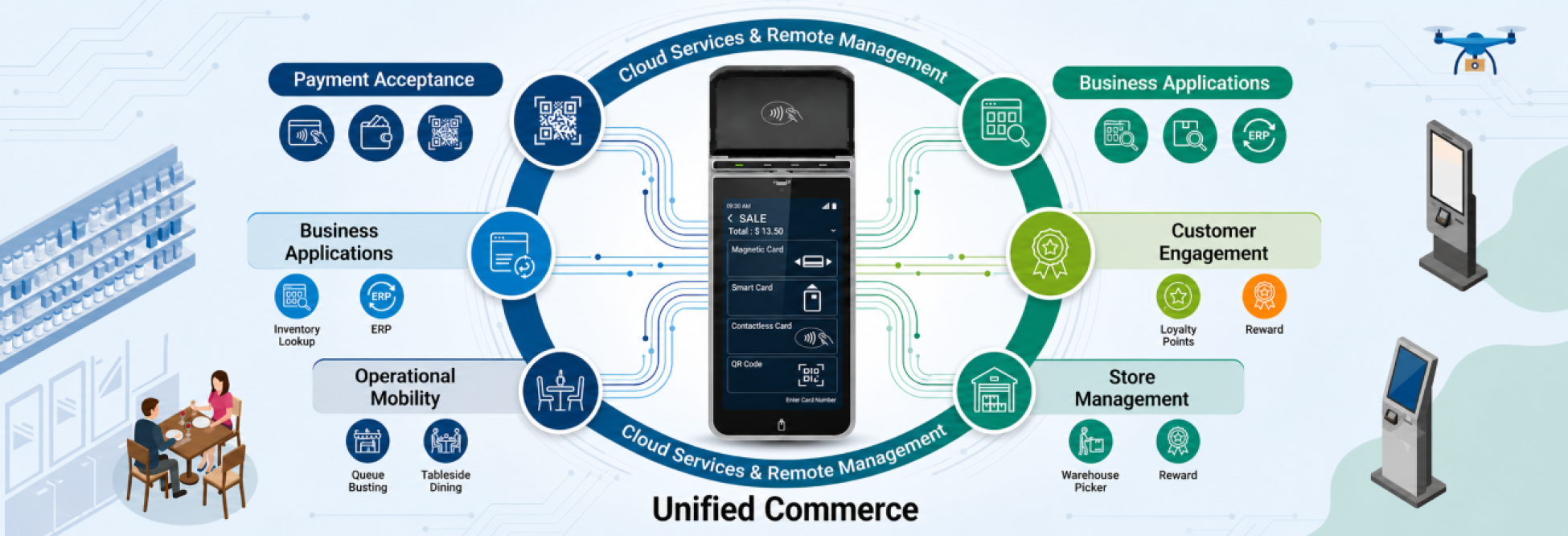
The landscape of global commerce is moving at an unprecedented velocity. Standing in 2026, the traditional, single-purpose point-of-sale (POS) system that merely "swipes and beeps" has officially transitioned into a historical artifact. Driven by an omni-channel revolution and heightened consumer expectations for instant, frictionless service, a massive structural shift has taken hold. Consumers no longer view checkout as a separate, inconvenient final step in a purchase journey. They expect it to be fast, secure, flexible, and connected to the rest of their experience – whether they are shopping in a physical store, ordering online, paying at a restaurant table, collecting a delivery, or interacting with a self-service kiosk.
At the center of this transformation is the Android payment terminal. Once considered a niche alternative to proprietary legacy systems, Android-based smart POS platforms have become the backbone of modern commerce, capturing over 70% of new merchant deployments globally. For enterprise retailers, hospitality groups, and small businesses alike, adopting these smart terminals is no longer an operational option – it is a strategic imperative to elevate user experience and drive sustained growth. This is where Android payment POS terminals are becoming increasingly important.
From Transaction Devices to Smart Commerce Platforms, a Trend Moving Toward Connected and Experience-Driven
The global payment industry is moving beyond traditional, hardware-focused payment terminals. In the past, a POS device was mainly used to accept debit and credit card payments. While reliable, conventional terminals often had limited functionality, restricted software options, and slow update cycles.

Today, commerce is becoming more connected. Consumers use contactless cards, mobile wallets, QR-code payments, bank transfers, installment payment options, and embedded payment experiences. Merchants are expected to support these preferences without making checkout more complicated.
Why Android Makes a Difference: Unlocking Unprecedented Business Agility
The most significant advantage of Android payment terminals is flexibility. Traditional payment infrastructures require a chaotic array of disparate hardware: a terminal for processing cards, a separate tablet for checking inventory, and an administrative computer in the back room for managing staff schedules. Android terminals shatter this operational silo by facilitating all-in-one execution.
This does not mean that every consumer Android application can run on a payment terminal. Payment terminals require specialized security controls, certification processes, and device management capabilities. However, an Android-based architecture allows payment solution providers, independent software vendors (ISVs), independent sales organizations (ISOs), acquirers, payment processors, and merchants to develop and deploy business applications more efficiently than in many legacy terminal environments.
Key Supports of Android-Based Payment terminals:
-
- App-Ecosystem Integration: Merchants can download verified business applications directly onto the terminal. A single handheld device can process a credit card, look up stock in real-time, update the central ERP, and log customer loyalty points simultaneously.
-
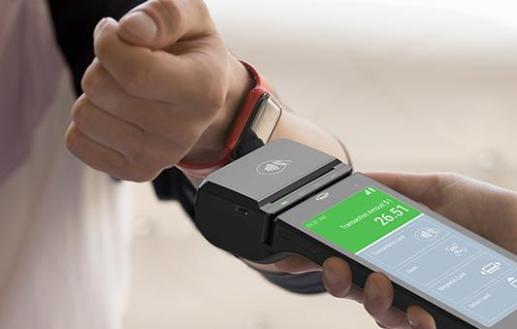
- Mobility & Queue Busting: Android terminal's lightweight, mobile-first design allows store associates to complete transactions directly on the showroom floor or at tableside, completely eliminating friction at checkout.
-
- Multiple Services Engagement: As essential Android platform and its design, it is of great significance to strive to realize and reduce development effort in practical applications such as contactless card and mobile wallet payments, QR code payments, electronic receipts and email receipts, membership program registration and reward redemption, as well as customer-facing promotions and electronic coupons.
In this environment, Android payment terminals are not simply a new device category. They represent a broader shift in how payment technology is designed, deployed, and managed.
Security: A Core Requirement, Not an Optional Feature
Security is essential for every payment terminal, especially in an Android-based environment.
Android payment terminals are not ordinary consumer devices. They are purpose-built payment devices that must protect sensitive cardholder data, payment credentials, PIN entry, cryptographic keys, and transaction information. This is typically including several layers of protection and security.
Secure Hardware and Secure Elements
Payment terminals often use dedicated secure processors or secure elements to protect sensitive payment functions. These components help isolate critical processes such as PIN entry, cryptographic operations, key storage, and payment credential handling. This separation is important because it prevents sensitive payment data from being exposed to general-purpose applications.
Secure Boot and Software Integrity
Secure boot helps ensure that the terminal starts only with trusted and authorized software. If the device detects unauthorized modifications, it can prevent compromised software from loading.
Encryption and Tokenization
Encryption protects payment data while it is transmitted between the terminal, payment processor, and related transaction systems. Tokenization further reduces risk by replacing sensitive card data with a non-sensitive token. This means that merchants can reduce their exposure to sensitive payment information while still processing transactions efficiently.
Remote Monitoring and Security Updates
Payment security is not a one-time process. Android payment terminals need ongoing monitoring, vulnerability management, and software updates. Remote device management allows payment providers and service providers to deploy approved patches, monitor terminal health, enforce security policies, and respond quickly to suspicious activity or device issues.
International regulations related to privacy and cybersecurity also influence payment terminal deployments. Depending on the market, merchants and payment providers may need to comply with data protection laws, consumer privacy rules, cybersecurity obligations, and local payment regulations. This makes it essential for businesses to choose terminal providers that understand both global standards and regional compliance requirements.
Impact for Revolutionizing the Merchant and Consumer Experience
The migration to smart Android infrastructures yields a symbiotic value proposition, driving efficiency for the business owner while delighting the end customer.
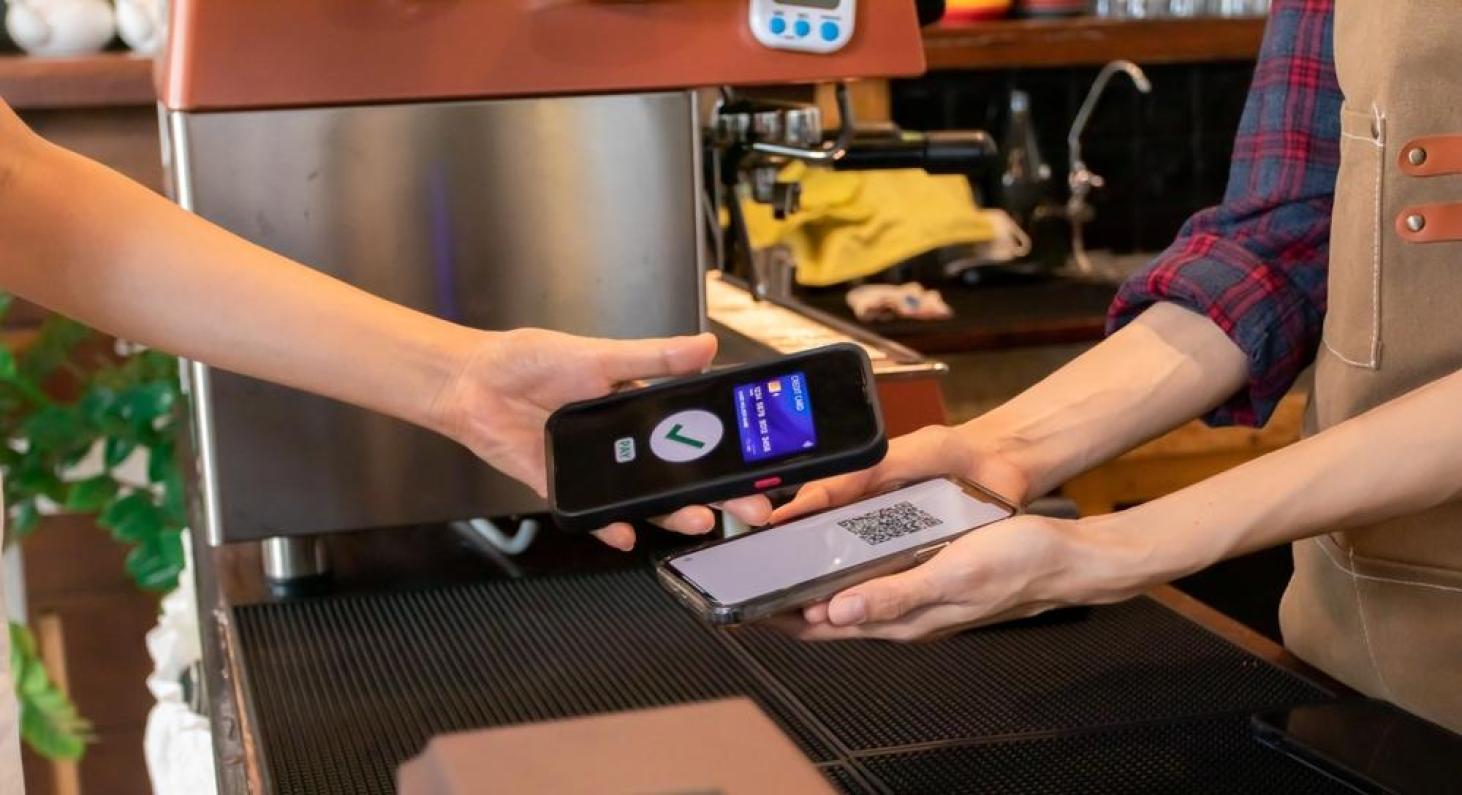
From the consumer perspective, a tailor and frictionless journey are extremely valued for the payment process becomes practically invisible. Android terminals feature vibrant, intuitive touchscreen interfaces that mirror the consumer's personal smartphone, reducing cognitive friction during pin entry or tip selection. Furthermore, the integration of hyper-personalized loyalty programs allows the terminal to recognize a returning customer instantly via their digital wallet, applying targeted discounts or suggested add-ons right on the payment screen. It turns a cold, transactional exchange into an active point of positive brand engagement.
Key Takeaways: Driving into the Future of Unified Commerce
The future of commerce belongs to companies that can weaponize data, deliver exceptional experiences, and maintain uncompromised security at the edge. Android payment POS terminals are more than payment devices, is no longer just a trend, it is the foundational infrastructure enabling unified commerce to help redefine the role of payments. They are smart commerce tools that help businesses modernize checkout, improve operational efficiency, and create better customer experiences.
Security remains a critical requirement. The strongest Android payment terminal solutions combine certified hardware, secure software, encryption, tokenization, remote management, and compliance with international standards such as PCI DSS and EMV.
By unifying secure payment capture with enterprise application software, these smart terminals empower merchants to unlock new operational efficiencies, cultivate deeper customer retention, and effortlessly scale alongside the rapidly evolving digital economy. Investing in an Android-driven ecosystem is business's definitive step toward a more agile, secure, and customer-centric future.


